
Two weeks in Japan, and you come home with 400 photos, a JR Pass you barely broke even on, and one nagging regret: you spent forty minutes standing outside a Kyoto restaurant because you didn't know you needed a reservation made three weeks earlier.
That last part is the one nobody tells first-timers. I know because it happened to me on my own first trip, and I've watched it happen to at least half a dozen friends since. They plan the itinerary beautifully. They ignore the logistics. Then the logistics quietly ruin an afternoon or two.
So here's the practical version of a complete travel guide to visiting Japan for first timers—the kind I wish someone had handed me before I boarded. Not the glossy version. The one with budgets, booking windows, and the mistakes I actually made.
Key Takeaways
- Build your first trip around the Golden Route—Tokyo, Hakone, Kyoto, Osaka—and resist adding a fifth city.
- The Japan Rail Pass only pays off on long-distance travel; a 7-day pass suits a Tokyo-to-Kansai run, not a Tokyo-only trip.
- Carry cash. Many small restaurants, temples, and shrines still don't take cards.
- Book popular restaurants and any ryokan weeks ahead—walk-ins often fail.
- Avoid Golden Week, Obon, and cherry blossom season if you want reasonable prices and breathing room.
- Get an eSIM or pocket wifi before you land. Navigation apps are non-negotiable.
Planning your first Japan trip: the decisions that actually matter
Most of the anxiety about a first Japan trip comes from deciding too much at once. Where do I go? How long? What pass? What season? Each one feels enormous, and none of them can be answered in isolation.
Here's the order I'd tackle them, based on what worked and what didn't across my own planning.
How many days do you actually need?
Ten days is the sweet spot for a first-timer. Seven days works, but you'll feel rushed—especially if you're flying long-haul and lose the first day to jet lag. Fourteen days gives you room to breathe and add a day trip or two without sprinting.
I tried a 7-day trip once. By day four I was running on adrenaline and convenience-store coffee, and I skipped Nara entirely because I'd overpacked the schedule. Lesson learned: fewer places, longer stays.
When to go—and when definitely not to
Spring (late March to mid-April) and autumn (October to November) are the two windows everyone wants. Cherry blossom season is genuinely beautiful and genuinely crowded. If you go in spring, expect hotel prices to climb sharply in Kyoto and Tokyo.
The dates to avoid completely:
- Golden Week (late April to early May) — domestic travel explodes, trains and hotels fill up
- Obon (mid-August) — same problem, plus summer heat
- New Year — many businesses close, temples get packed
Late May, early June, and September are quieter and cheaper. Summer is hot and humid—I mean genuinely punishing—so plan indoor activities if you go then.
What a first-timer actually spends
Realistically, budget ¥15,000–¥25,000 per day for a mid-range trip: accommodation, food, transport, and one paid attraction. That's roughly $100–$170 depending on the exchange rate.
Hostels and business hotels can drop that to ¥8,000–¥12,000. Ryokan stays and high-end dining push it past ¥40,000.
Food is where you can save easily. A bowl of ramen, a konbini lunch, and a standing sushi counter dinner can total under ¥3,000 and still be excellent.
Golden Route itineraries: 7, 10, and 14 days
The Golden Route exists because it works. Tokyo in, Osaka out (or vice versa). Everything else is variations on a theme.
Japan itinerary 7 days
Tight but doable. Focus on Tokyo and Kyoto only.
- Days 1–3: Tokyo — Shibuya, Shinjuku, Asakusa, maybe a day trip to Nikko or Kamakura
- Day 4: Shinkansen to Kyoto (about 2h15)
- Days 4–6: Kyoto — Fushimi Inari, Arashiyama, Gion, Kinkaku-ji
- Day 7: Day trip to Nara or Osaka, then fly out from Kansai
Japan itinerary 10 days
Adds Osaka and a resting day. This is the version I'd recommend to most people.
Same Tokyo and Kyoto structure as above, then three nights in Osaka with a Nara day trip. Osaka is louder, cheaper, and has the best street food of the three cities. Dotonbori at night is worth the crowds.
Japan itinerary 14 days
Now you can add Hakone (for onsen and a view of Mount Fuji if the weather cooperates—it often doesn't) and either Hiroshima/Miyajima or Kanazawa.
Hiroshima and Miyajima together take two nights minimum. Kanazawa is a lovely smaller alternative with a famous garden, Kenroku-en, and far fewer tourists.
Japan for first timers with family
Kids change the math. Fewer temple visits, more interactive stops. Tokyo DisneySea, the Osaka Aquarium, and Nara's free-roaming deer are reliable wins. Skip the multi-temple days in Kyoto—younger kids won't last.
Also: strollers are fine in cities but painful on crowded trains during rush hour. Travel between 10am and 4pm when possible.
Getting around Japan as a tourist
The transport network is the best I've used anywhere. It's also the part that confuses first-timers most, mostly because of the JR Pass decision.
The JR Pass: do the math before you buy
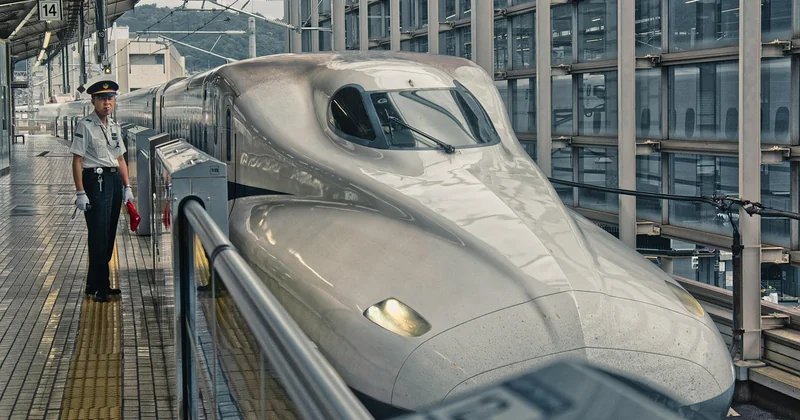
The nationwide Japan Rail Pass is a beautiful thing—and often a waste of money. Here's the threshold that matters: you need one long round trip, like Tokyo to Kyoto and back, to make a 7-day pass break even.
If you're staying in Tokyo with one day trip, buy individual tickets or load up a Suica or ICOCA card instead. Those prepaid cards work on nearly every train, subway, and bus in the country, and you tap in and out like a metro card.
| Option | Best for | Watch out for |
|---|---|---|
| JR Pass (7/14/21 days) | Multiple long-distance trips | Doesn't cover many private railways or subways |
| Suica / ICOCA | City travel and short hops | Can't be used on Shinkansen |
| Individual Shinkansen tickets | One or two long trips | Buy reserved seats early during peak season |
| Regional passes | Focused trips (Kansai, Hokkaido, Kyushu) | Easy to buy the wrong one |
Booking Shinkansen seats
Reserved seats are worth the small surcharge during peak travel. You can book at any JR ticket office, and increasingly through apps, up to a month in advance.
For Tokyo–Kyoto on a random Tuesday in May, unreserved is fine. For the same route on a Friday during cherry blossom season? Book ahead.
IC cards and the cash reality
Load a Suica or ICOCA as soon as you land—airport stations sell them. Then get cash. Not because cards don't work, but because they don't work everywhere. Small ramen shops, rural temples, and some shrines are cash-only.
7-Eleven and Japan Post ATMs accept foreign cards reliably. Most bank ATMs don't. I learned that the hard way at a train station in rural Gifu.
eSIM vs pocket wifi
An eSIM is simpler—activate before you fly, no device to return. Pocket wifi is better if you're traveling as a group and sharing one connection.
Either way, you'll want data from the moment you land. Google Maps in Japan is extraordinarily accurate, including train platforms and exit numbers.
Etiquette and the small rules that aren't obvious
Japan runs on unspoken expectations. Nobody will scold you for getting them wrong, but getting them right makes everything smoother.
Onsen basics
Wash before entering. No swimsuits. No towels in the water. Tattoos are still restricted at many traditional onsen—if you have visible tattoos, look for "tattoo-friendly" listings or book a private bath.
Everyday manners
- No tipping. It can genuinely confuse staff.
- Quiet on trains. Phone calls are frowned upon.
- Carry your trash—public bins are rare.
- Queue properly. Lines are sacred.
- Don't eat while walking in most contexts, though it's normal at festivals.
The restaurant reservation problem
Popular restaurants fill up weeks ahead. Some only take reservations by phone, in Japanese. Your hotel concierge can often help—ask nicely, and ask early.
For everything else, walk in at opening or just before closing. I've had fantastic meals by showing up at 5pm sharp.
Common first-timer mistakes (and how to skip them)
Overpacked itineraries. Underestimated walking. Arriving without data.
Those three cover most of the trouble I've seen. Pack light—coin laundry is everywhere and cheap. Bring comfortable shoes; you'll walk 15,000 steps a day without trying. And confirm your phone will work before you land.
One more: don't over-plan restaurants. Some of my best meals in Japan were entirely accidental.
If you're applying for a visa, most consulates want a day-by-day itinerary as a PDF. Build one using the templates above, list your hotels, and keep it simple.
The first trip teaches you what the second trip is for. You'll come home with a list of things you missed—and that's fine. Japan rewards returning.


